



05 Jan How Long to Let Spray Sunscreen Dry for Proper Protection
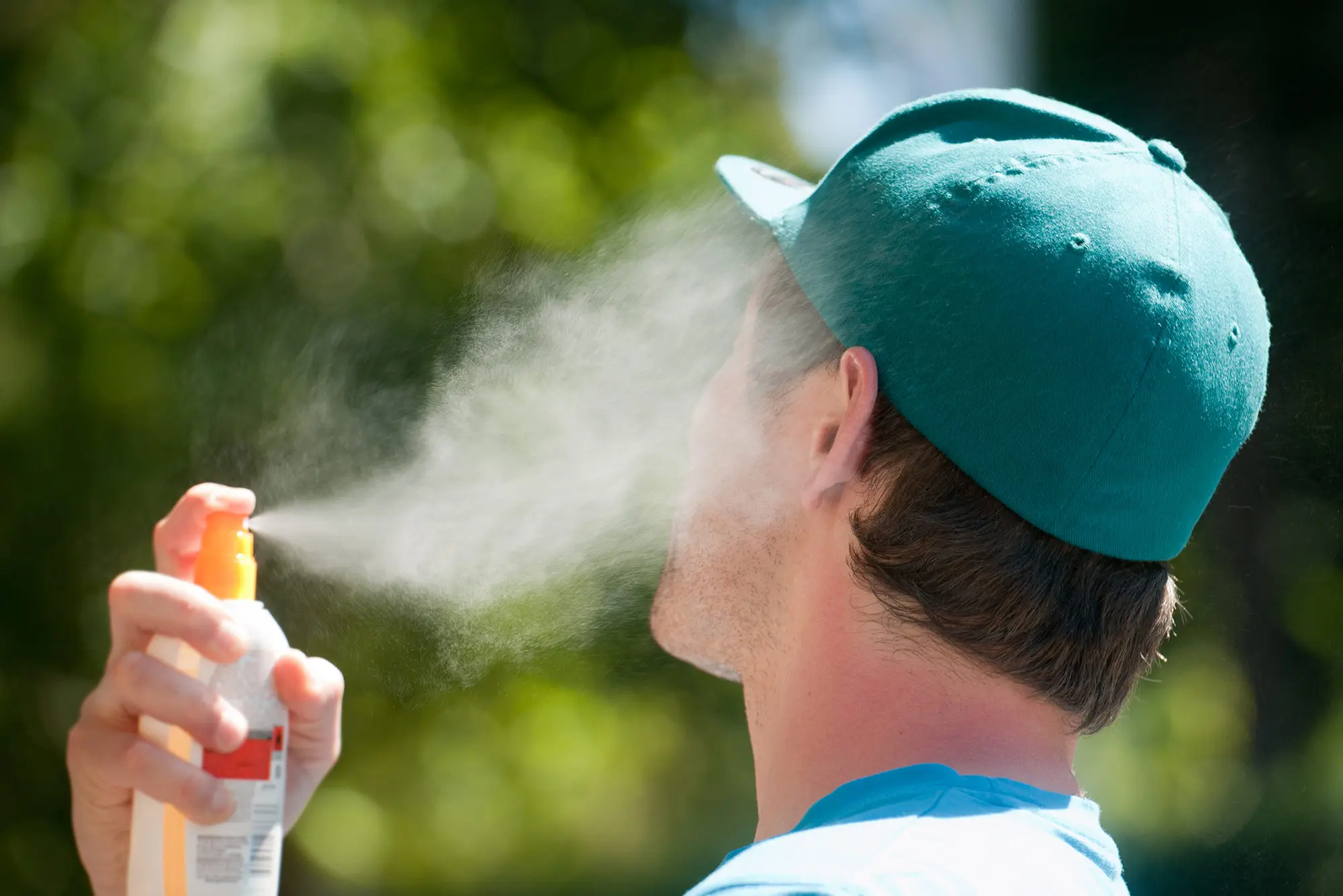
Spray sunscreen is light and easy to use; however, many people do not apply it correctly, and therefore, they are missing out on some of the benefits of the product. One of the biggest questions is how long to let spray sunscreen dry, and when you can go swimming, put on clothes, etc.
The time it takes for spray sunscreen to dry will affect how evenly the sunscreen is distributed across your skin and how well it will protect you from the sun. If you do not allow enough time to pass between applying the spray sunscreen and going outside, your protection will be less than it would have been had you waited longer for the spray sunscreen to dry.
Why Does Spray Sunscreen Need Time to Dry?
Spray sunscreens work by coating your skin with an even layer of active ingredients. The active ingredients need to set before the sunscreen can begin to block UV rays from the sun. Therefore, waiting for the spray sunscreen to dry is essential for providing a uniform layer of protection.
Waiting for the spray sunscreen to dry provides additional advantages as well. Waiting will provide more time for the active ingredients to bind to the surface of your skin and will also prevent you from inhaling the chemicals from the sunscreen. Finally, waiting will help ensure that the sunscreen will not rub off onto your clothes.
The length of time it takes for spray sunscreen to dry is particularly important during times when you are engaging in outdoor activities such as running, biking, hiking, playing sports, swimming, etc., because excessive sweating and physical activity will quickly compromise the effectiveness of the sunscreen.
How Long to Let Spray Sunscreen Dry Before Going Outside
Knowing how long to let spray sunscreen dry and how to apply it properly helps avoid patchy application and keeps your skin safe when you’re in the sun.
For most products, spray sunscreen needs to dry for at least 15 minutes prior to sun exposure. This is sufficient time for the spray sunscreen to bind completely to your skin and form a protective barrier.
Proper Application Techniques:
- Apply the spray sunscreen liberally to your skin to achieve a visible wet appearance.
- Use circular motions to rub the sunscreen into your skin, even if the instructions say that rubbing is not necessary.
- Allow the spray sunscreen to dry completely (usually 15 minutes) before exposing yourself to the sun.
If you notice that the spray sunscreen is still tacky after 15 minutes, allow a little more time to pass before continuing to expose yourself to the sun.
Regardless of whether or not you use a water-resistant formula, it is essential to make sure that the spray sunscreen is completely dry before you enter the water.
Common Mistakes That Reduce Spray Sunscreen Effectiveness
High-quality sunscreen can lose effectiveness if it is applied incorrectly. Other ways that spray sunscreen loses effectiveness include:
- Spraying too lightly or unevenly.
- Not rubbing the product into your skin.
- Putting clothing on your skin before the spray sunscreen has dried.
- Applying spray sunscreen outdoors on a windy day causes uneven distribution of the product.
Reapplying sunscreen every two hours, or sooner after swimming or sweating, is just as important as ensuring that the product dries sufficiently before first application. Good sunscreen application technique is some of the best skin care for aging skin as it helps to reduce cumulative sun damage.
Sun Damage and Advanced Skin Repair Options
Even with the correct application of sunscreen, many years of sun exposure can result in uneven skin tones, wrinkles, and other texture problems. Individuals who seek more advanced correction options may find that professional treatments can restore skin clarity and elasticity.
Laser Skin Resurfacing
A popular option for correcting sun damage is through laser skin resurfacing. Laser skin resurfacing treatments stimulate collagen production in the skin by promoting new tissue growth. This method of treatment is separate from daily sunscreen application but works hand-in-hand to treat existing sun damage.
Dr. Bourget uses fractional CO2 laser technology for resurfacing skin to improve tone, texture, and firmness. This is a type of laser skin resurfacing that creates micro-channels in the skin to stimulate the body’s own repair mechanisms. A customized laser skin resurfacing treatment plan can dramatically improve sun-damaged skin when performed by a medical professional.
Chemical Peels for Supporting Sun-Damaged Skin
Another way to treat sun-damaged skin is through medical-grade chemical peels. Chemical peels remove damaged outer layers of skin, which encourages a healthier cell turnover and improved skin tone.
Dr. Bourget also offers medical-grade chemical peels to help eliminate age-related discoloration, rough skin texture, and sun-related skin issues. Regular use of these treatments in conjunction with regular use of sunscreen can help promote clear skin for a lifetime.
Daily Sun Care and Your Skin Health
While medical treatments can provide relief for sun-damaged skin, the best way to keep your skin looking young and healthy for a long time is through natural skin care and daily sun protection.
By applying sunscreen regularly and allowing it to dry properly, re-applying as needed, and selecting a broad-spectrum sunscreen, you can enjoy healthy-looking skin for years to come.
Dr. Bourget offers Dana Point skin care services to help you improve your skin by combining consistent sun protection with her professional guidance and treatments. Sunscreen will prevent future damage to your skin, while medical treatments will address the current damage and promote collagen health.
Final Thoughts
When spray sunscreen is used correctly, it can provide excellent sun protection. Spray sunscreen must be applied liberally, rubbed in evenly, and allowed sufficient time to dry (at least 15 minutes). Following these simple steps will help to improve the consistency and effectiveness of your sunscreen application.
Good sun protection maintains skin quality, tone, and elasticity over time. Combining good sun protection habits with professional treatments can help you preserve your skin’s health throughout your life.
Book a consultation with Dr. Bourget today.
FAQs
Q: How long to let spray sunscreen dry before getting dressed?
Ans: Allow at least 15 minutes to pass before dressing to prevent rubbing and uneven coverage.
Q: Can I speed up spray sunscreen drying time?
Ans: It is best to air-dry spray sunscreen. Avoid using towels or clothing to help speed the process, as this could remove the product.
Q: Do I still need to rub in spray sunscreen?
Ans: Yes. Rubbing ensures that the product is distributed evenly and maximizes sun protection.
Q: How often should spray sunscreen be reapplied?
Ans: Apply sunscreen every 2 hours, or sooner if you swim, sweat, or towel dry.