



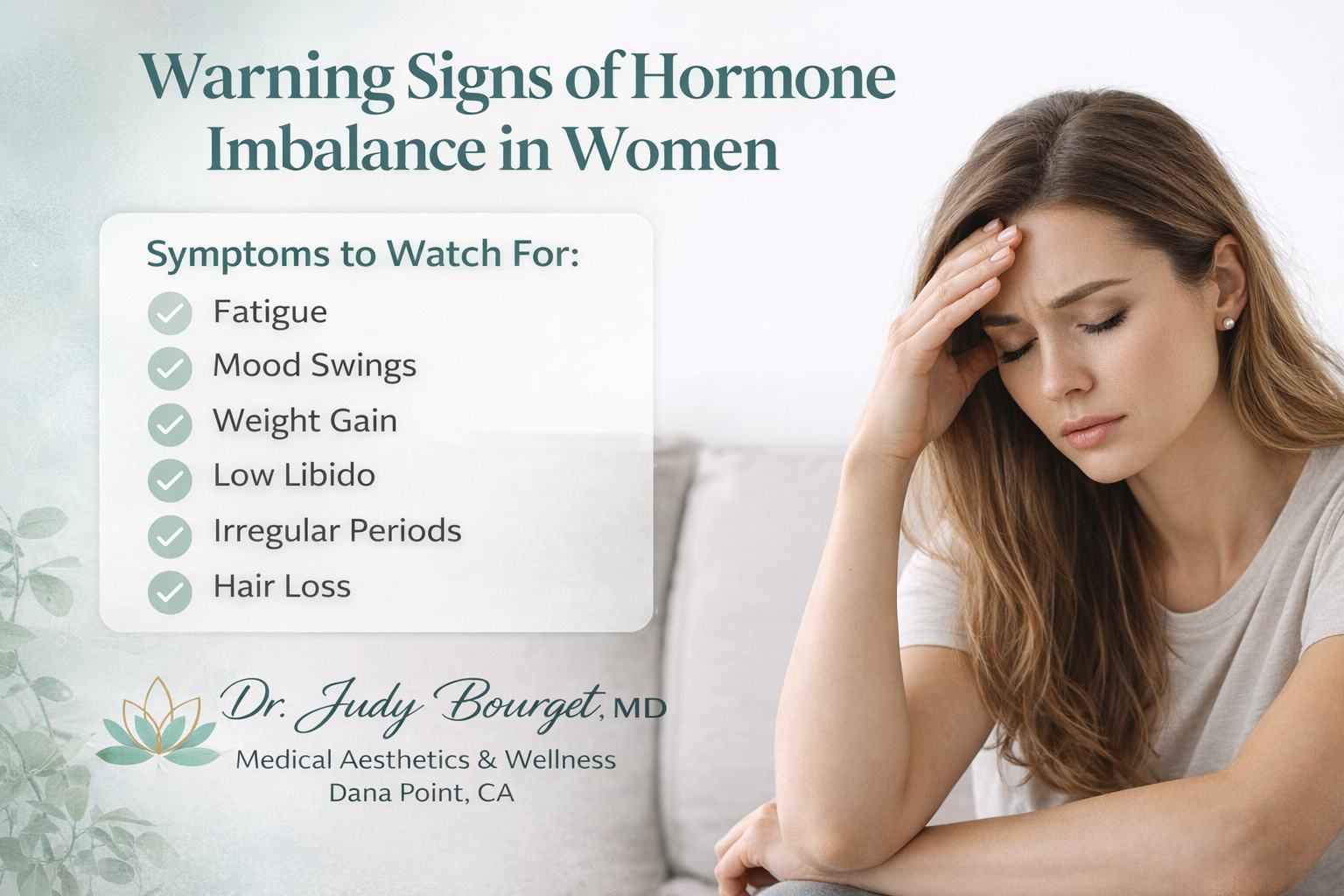
24 Jan Signs of Hormone Imbalance in Women Over 40
Many women approaching or in their 40s begin noticing changes they can’t quite explain. Energy levels drop, sleep becomes elusive, and mood swings seem to intensify without an obvious reason. These shifts often signal that hormonal changes are underway.
Understanding the signs of hormone imbalance in women can help you recognize what’s happening in your body and determine whether intervention might benefit you. Rather than dismissing these symptoms as simply part of aging, recognizing them early allows you to take proactive steps toward feeling like yourself again.
What Happens to Hormones After 40
The female body experiences significant hormonal fluctuations beginning in the 40s. Estrogen and progesterone levels start to decline, though not always in a predictable pattern. This period, often called perimenopause, can last anywhere from a few years to over a decade.
?Hormonal changes after 40 don’t happen overnight. Instead, they occur gradually, with some months feeling relatively normal and others feeling quite different. This unpredictability can make it difficult to connect your symptoms to hormonal shifts.
Common Signs of Hormone Imbalance in Women
Hot flashes and night sweats represent the most recognizable signs of hormone imbalance in women, yet they’re far from the only symptoms. Many women experience mood changes that feel disproportionate to their circumstances – irritability, anxiety, or depression emerging without obvious triggers. Sleep disruption often accompanies these mood shifts, creating a cycle where poor sleep worsens emotional regulation.
?Weight gain, particularly around the midsection, frequently occurs during this period even without changes in diet or exercise habits. Brain fog is another common complaint – difficulty concentrating or forgetfulness that makes work feel more challenging.
?Joint pain, headaches, and changes in skin texture can all signal hormonal shifts. Some women report decreased libido or changes in hair texture, while vaginal dryness can affect quality of life in ways that aren’t always discussed openly.
Female Hormone Imbalance Symptoms Beyond the Obvious
While hot flashes get most of the attention, female hormone imbalance symptoms extend far beyond temperature regulation. Heart palpitations, dizziness, or that sudden awareness of your heartbeat can be unsettling. Digestive changes are surprisingly common hormonal changes after 40 – bloating, constipation, or increased urinary frequency can occur without any dietary changes. These symptoms might seem unrelated to hormones, yet they’re frequently connected to the hormonal changes happening in your body.
?Muscle aches and body tension often increase during this period. Your body might feel stiff or achy in ways that weren’t present before. Combined with emotional and cognitive changes, these physical sensations can significantly impact your quality of life.
When Menopause Symptoms Warrant Professional Attention
Not every woman needs intervention for hormonal changes, but a significant disruption to your daily life suggests a conversation with a healthcare provider is worthwhile. If menopause symptoms are affecting your work performance, relationships, or ability to enjoy activities you love, a professional evaluation makes sense.
?Severe hot flashes that disrupt sleep, mood changes that feel unmanageable, or physical symptoms that limit your activities warrant medical attention. A physician can help determine whether your symptoms are related to hormonal changes and discuss options that align with your health goals.
?This evaluation might involve hormone testing to measure your current levels and understand what’s happening in your body.
Addressing Signs of Hormone Imbalance
Several approaches can help address signs of hormone imbalance in women. Lifestyle modifications like regular exercise, stress management, and dietary adjustments can provide meaningful relief for some women. Others find that these changes alone aren’t sufficient and benefit from additional support.
?Hormone replacement therapy represents one option for women whose symptoms significantly impact their quality of life. This approach works by supplementing the hormones your body is no longer producing at previous levels, potentially alleviating many uncomfortable symptoms. The decision to pursue menopause treatment is personal and should be made in consultation with a healthcare provider who understands your complete health picture.
Taking the Next Step
Recognizing signs of hormone imbalance in women is the first step toward addressing them.
?Many women spend months or even years attributing their symptoms to stress, aging, or other causes before realizing that hormonal changes are the underlying issue. Once you understand what’s happening, you can make informed decisions about how to proceed.
?Your symptoms matter, and they deserve attention. Whether you’re experiencing occasional hot flashes or dealing with multiple symptoms that affect your daily life, a professional evaluation can provide clarity and options. Dr. Bourget specialises in helping women navigate hormonal changes with personalised care plans designed around your unique needs and goals.
?Book a consultation with Dr. Bourget today to discuss your symptoms and explore options tailored to your situation.
Frequently Asked Questions
At what age do signs of hormone imbalance in women typically start?
Most women begin experiencing hormonal shifts in their 40s, though some notice changes in their late 30s. The timeline varies significantly from person to person.
?
Can signs of hormone imbalance in women be mistaken for other conditions?
Yes, many hormonal symptoms can mimic other health conditions. This is why professional evaluation is valuable – it helps distinguish between hormonal causes and other potential issues.
?
How long do female hormone imbalance symptoms typically last?
Symptoms can persist for several years as your body adjusts to lower hormone levels. Some women experience symptoms for 5-10 years or longer.
?
Are all signs of hormone imbalance in women the same?
No, symptoms vary widely between individuals. Some women experience primarily hot flashes, while others deal more with mood changes or sleep disruption.
?
Can lifestyle changes alone address signs of hormone imbalance in women?
For some women, yes. Others find that lifestyle modifications provide partial relief but benefit from additional support through hormone therapy or other interventions.